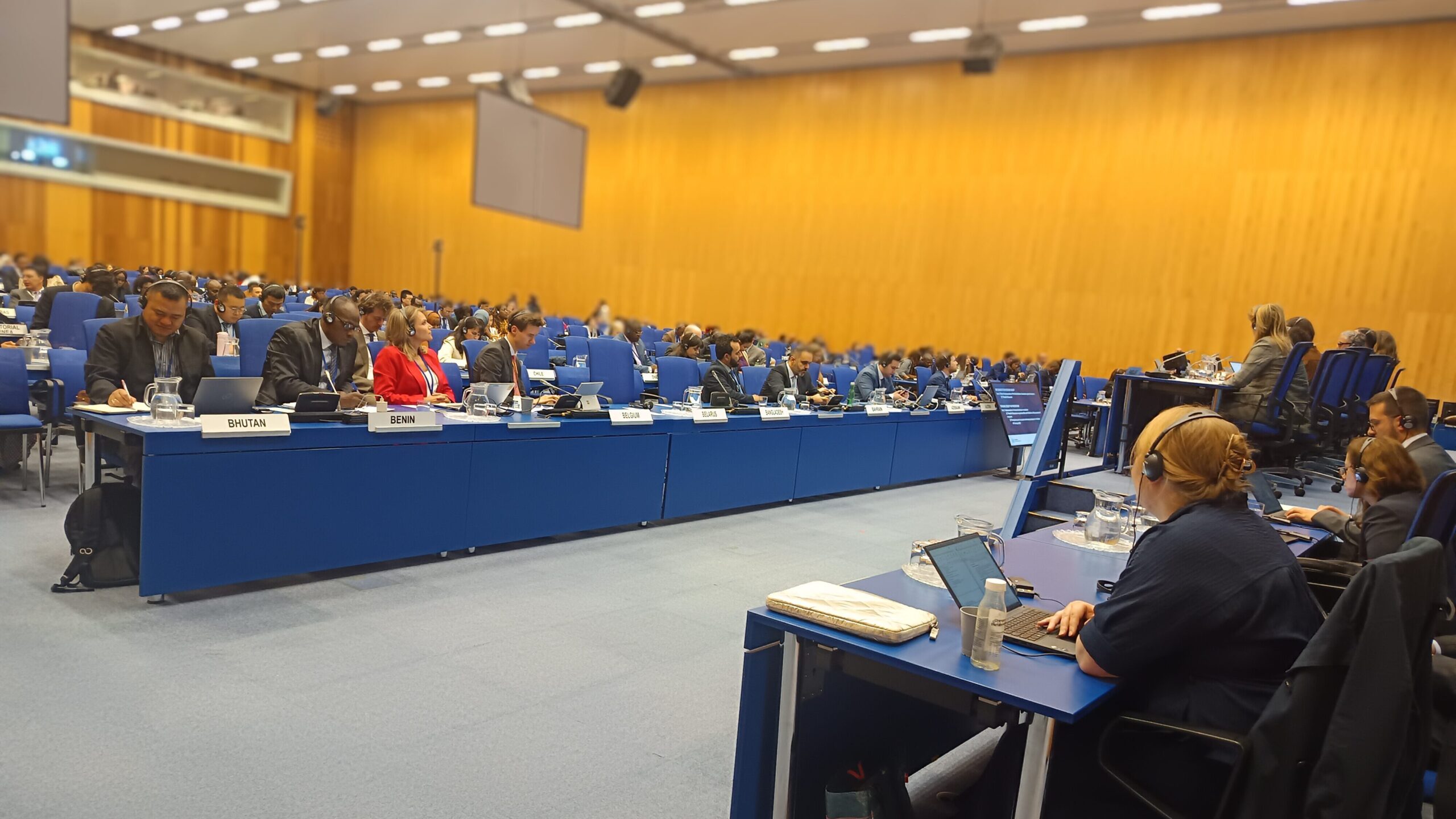
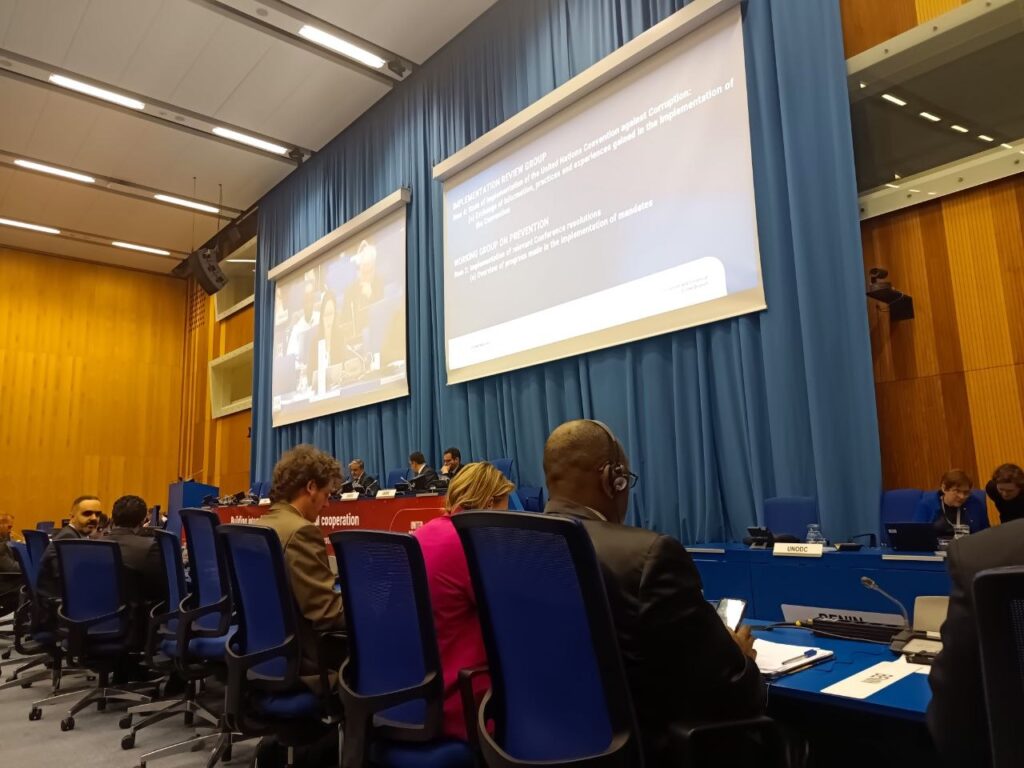
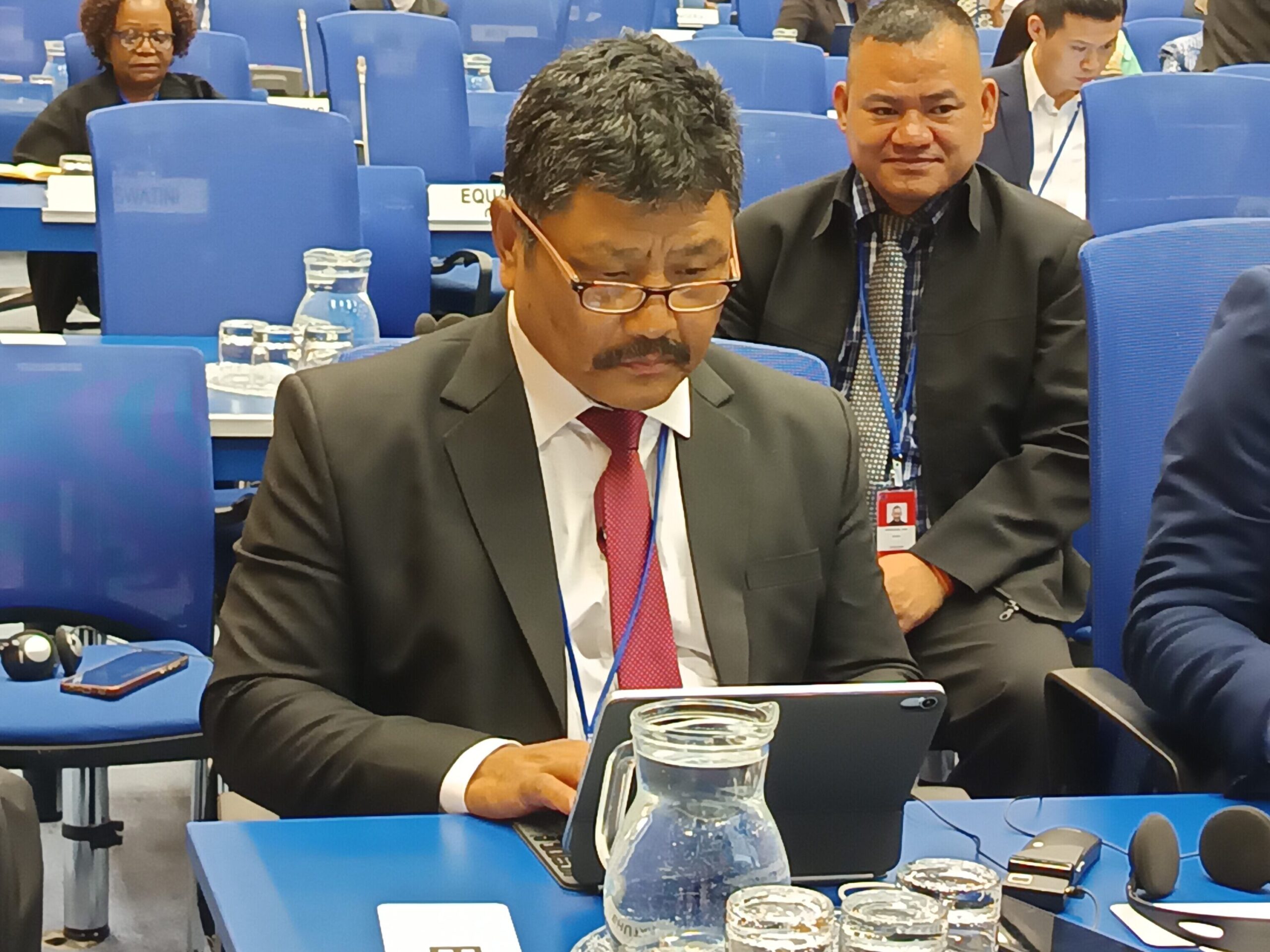
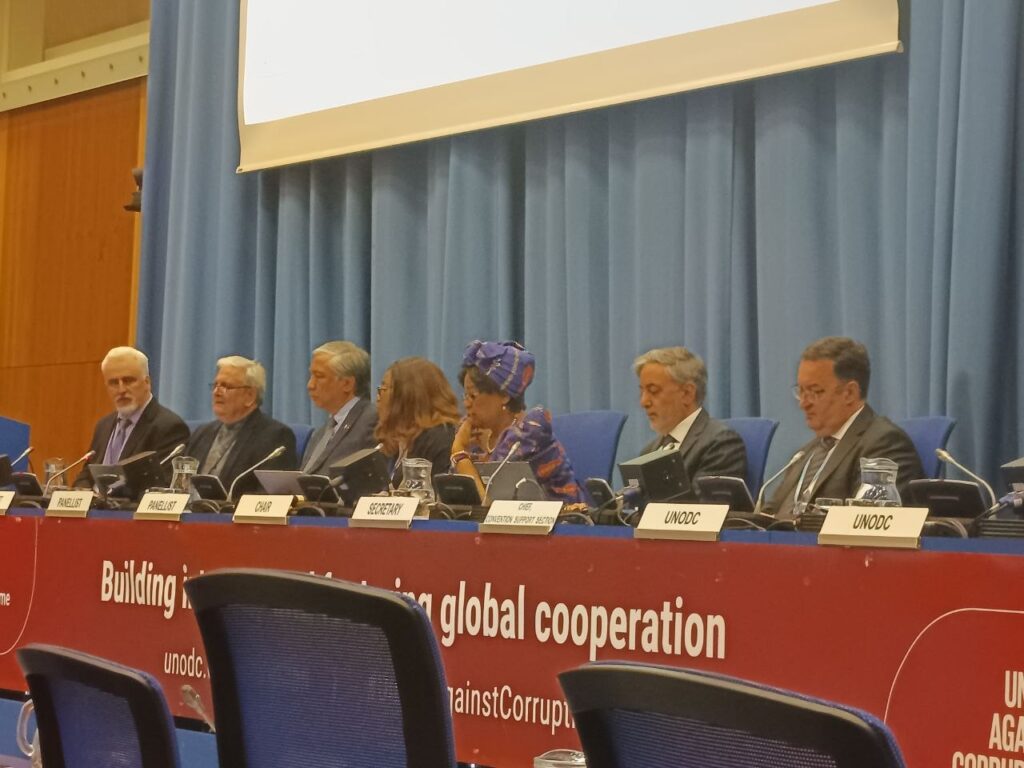
A three-member delegation from the Anti-Corruption Commission (ACC), led by a Commissioner, participated in the 17th Session of the Implementation Review Group (IRG) and the 17th Session of the Open-ended Intergovernmental Working Group (IWG) on the Prevention of Corruption, held from 18–22 May 2026 at the Vienna International Centre, Austria. The meetings were convened by the United Nations Office on Drugs and Crime (UNODC) under the framework of the United Nations Convention against Corruption (UNCAC).
The sessions brought together representatives from 192 States Parties to UNCAC, signatory states, anti-corruption agencies, international organizations, including INTERPOL, regional bodies, governance experts, and civil society to review global progress in UNCAC implementation and to strengthen international cooperation in corruption prevention.
Deliberations focused on the performance and effectiveness of the UNCAC Implementation Review Mechanism, covering timely completion of country reviews, follow-up on recommendations, and technical assistance and capacity-building for Member States. Delegations also addressed preventive anti-corruption measures, including public sector integrity, transparency in public procurement, beneficial ownership, ethics frameworks, whistleblower protection, anti-corruption education, and corruption risks in sports governance.
Digital governance emerged as a prominent theme, with countries highlighting the role of e-governance systems, e-procurement platforms, and automated public administration tools in reducing corruption risks and strengthening accountability, integrity, and transparency.
Country executive summaries and national submissions reflected a growing global shift toward results-oriented anti-corruption implementation and institutional resilience — moving beyond procedural compliance toward measurable governance outcomes. Delegations shared national experiences, lessons learned, and best practices in strengthening integrity systems, enhancing public trust, and improving governance effectiveness through systemic reforms, digital innovation, risk-based approaches, and technology-driven accountability mechanisms.
The Bhutanese delegation presented its national corruption prevention strategy aimed at realising “a prosperous and corruption-free society” — one grounded in integrity-driven governance, transparency, ethical leadership, and public accountability as foundations for sustainable development. Bhutan reaffirmed its strong commitment to a zero-tolerance approach to corruption, emphasising that prevention is more effective and sustainable than punitive responses alone in advancing the national vision of Gross National Happiness.
The delegation highlighted Bhutan’s multi-sectoral integrity promotion initiatives spanning government, the private sector, civil society, and youth engagement programmes, all aimed at fostering a nationwide culture of integrity and ethical conduct. Particular emphasis was placed on the “DAMTSI” programme — Developing Accountable, Moral, Transparent Individuals — alongside school-based value education, a youth integrity programme, and sector-specific awareness initiatives as part of a whole-of-system approach.
Bhutan also presented its preventive anti-corruption strategies through system studies, corruption risk assessments, and institutional reviews designed to identify vulnerabilities, strengthen integrity frameworks, and enhance accountability mechanisms across sectors.
The sessions were constructive, technical, and consensus-oriented throughout, reflecting Member States’ collective commitment to international cooperation in corruption prevention and the strengthening of institutional integrity globally. Discussions underscored the growing recognition that effective corruption prevention demands coordinated multi-stakeholder engagement, sustained political will, and strong international partnerships at national, regional, and global levels.
Delegations reaffirmed the value of collaborative approaches in addressing emerging corruption risks, cross-border fraud, and governance challenges through information-sharing, technical assistance, capacity-building, and knowledge exchange. The sessions concluded with a shared emphasis that strengthening public sector integrity, accountability, and transparency remains essential for promoting public trust, sustainable development, and resilient governance worldwide.