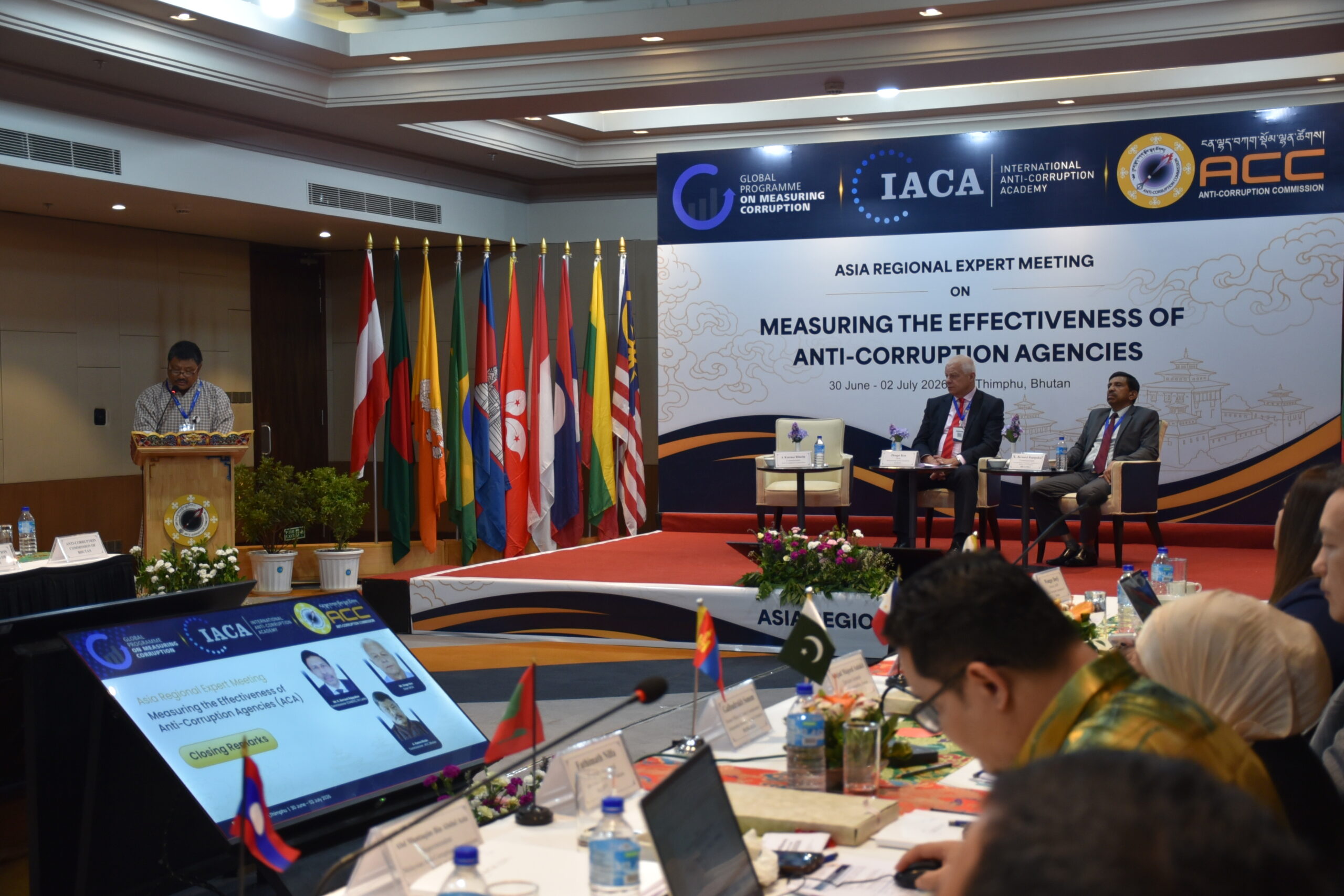
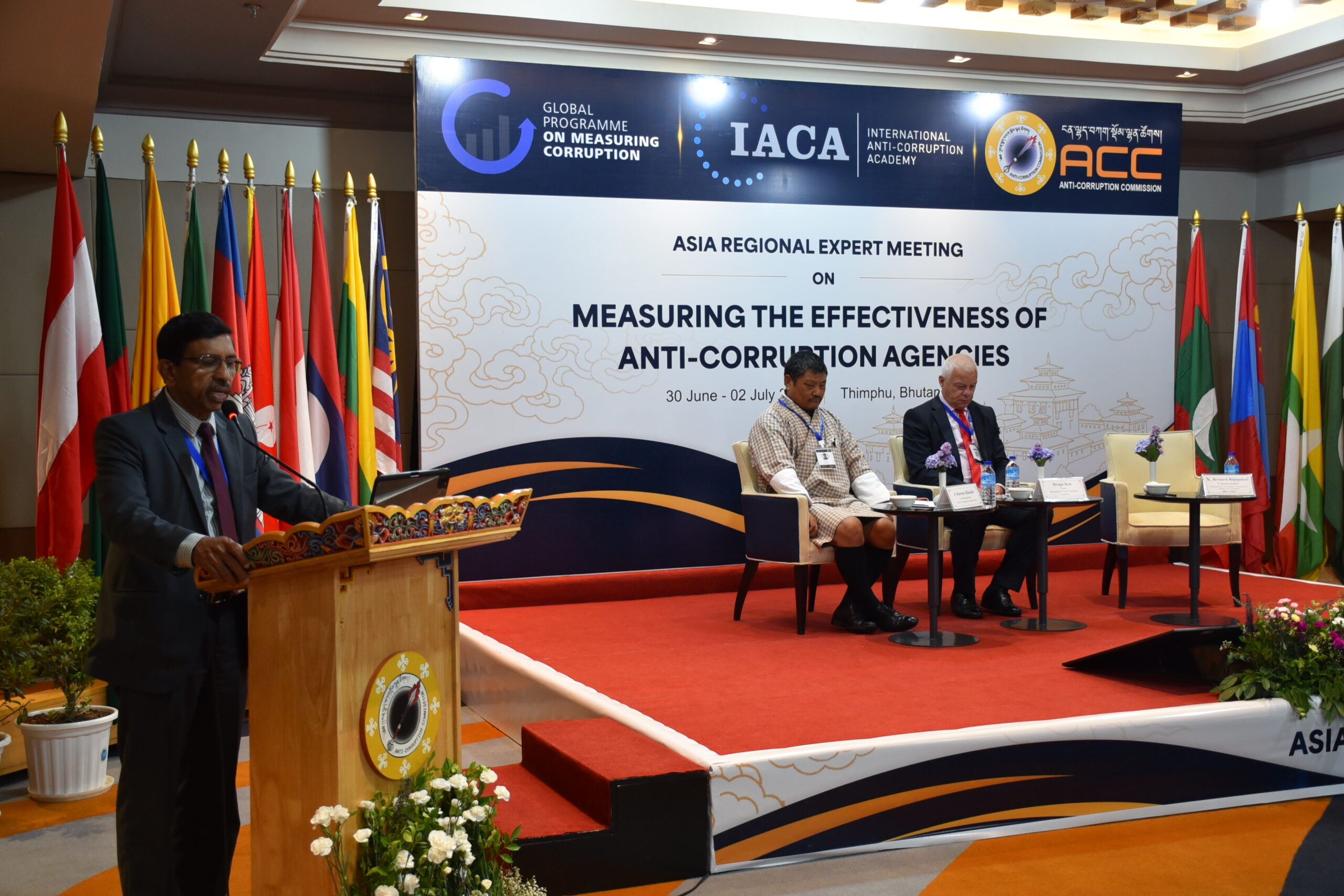
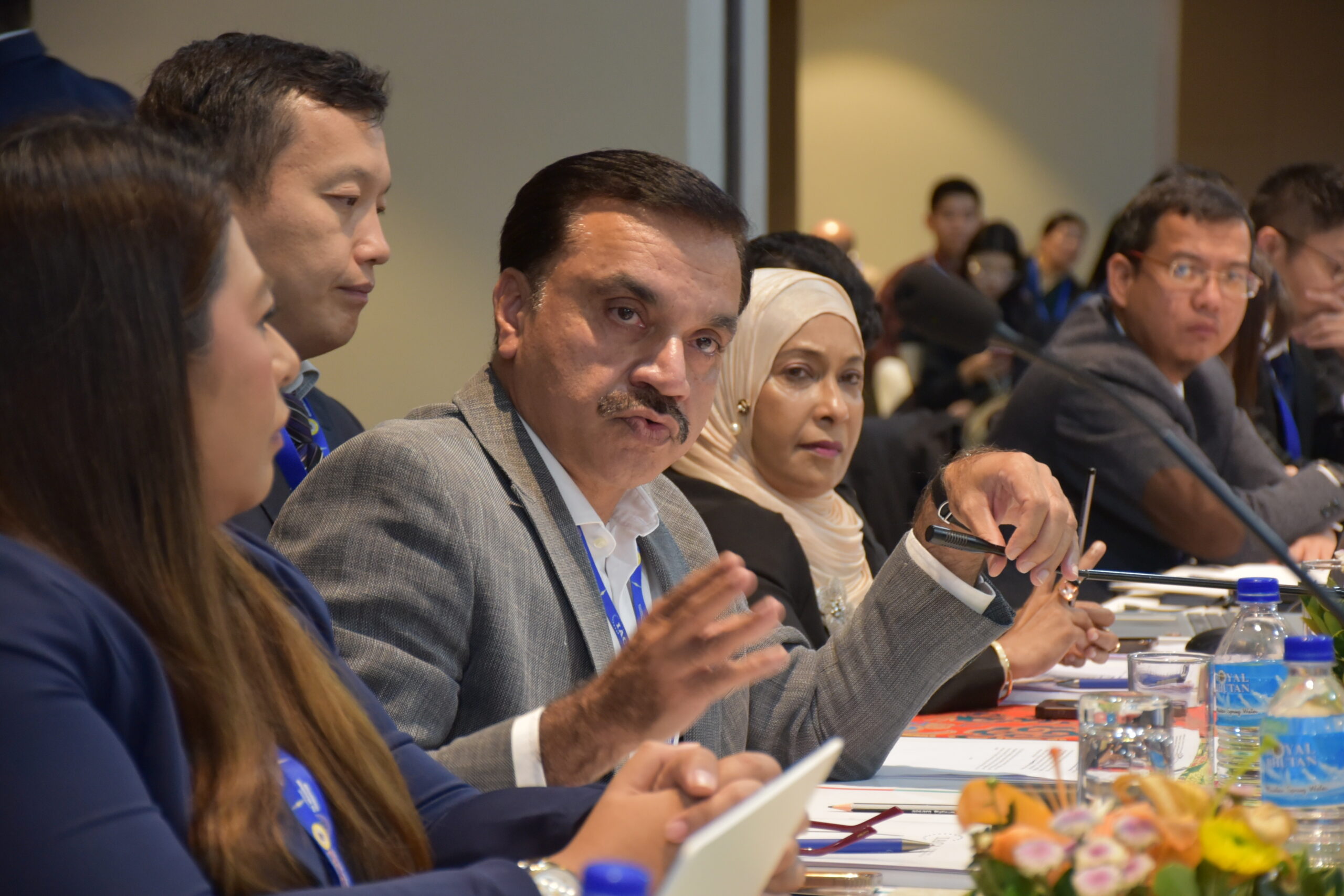
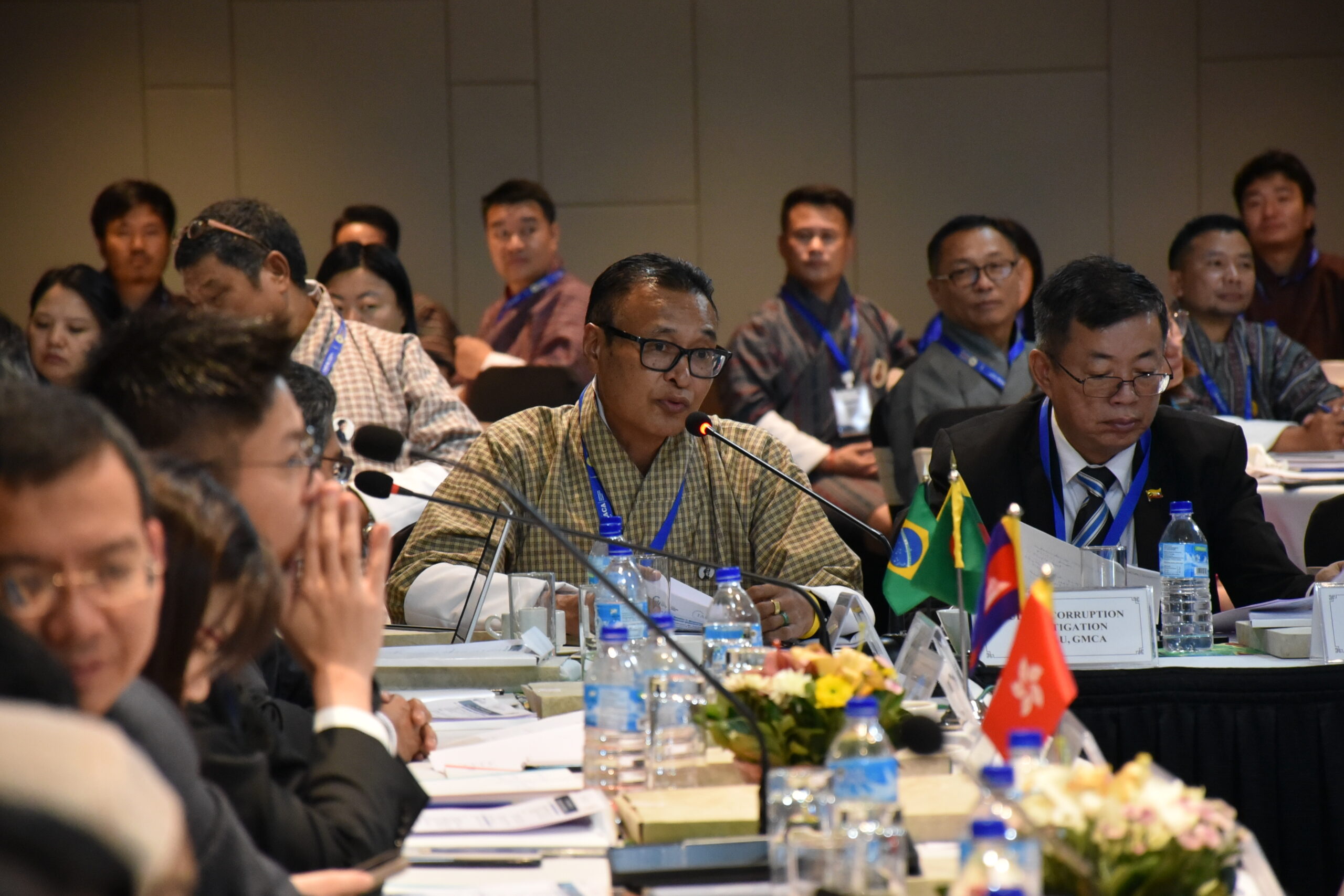
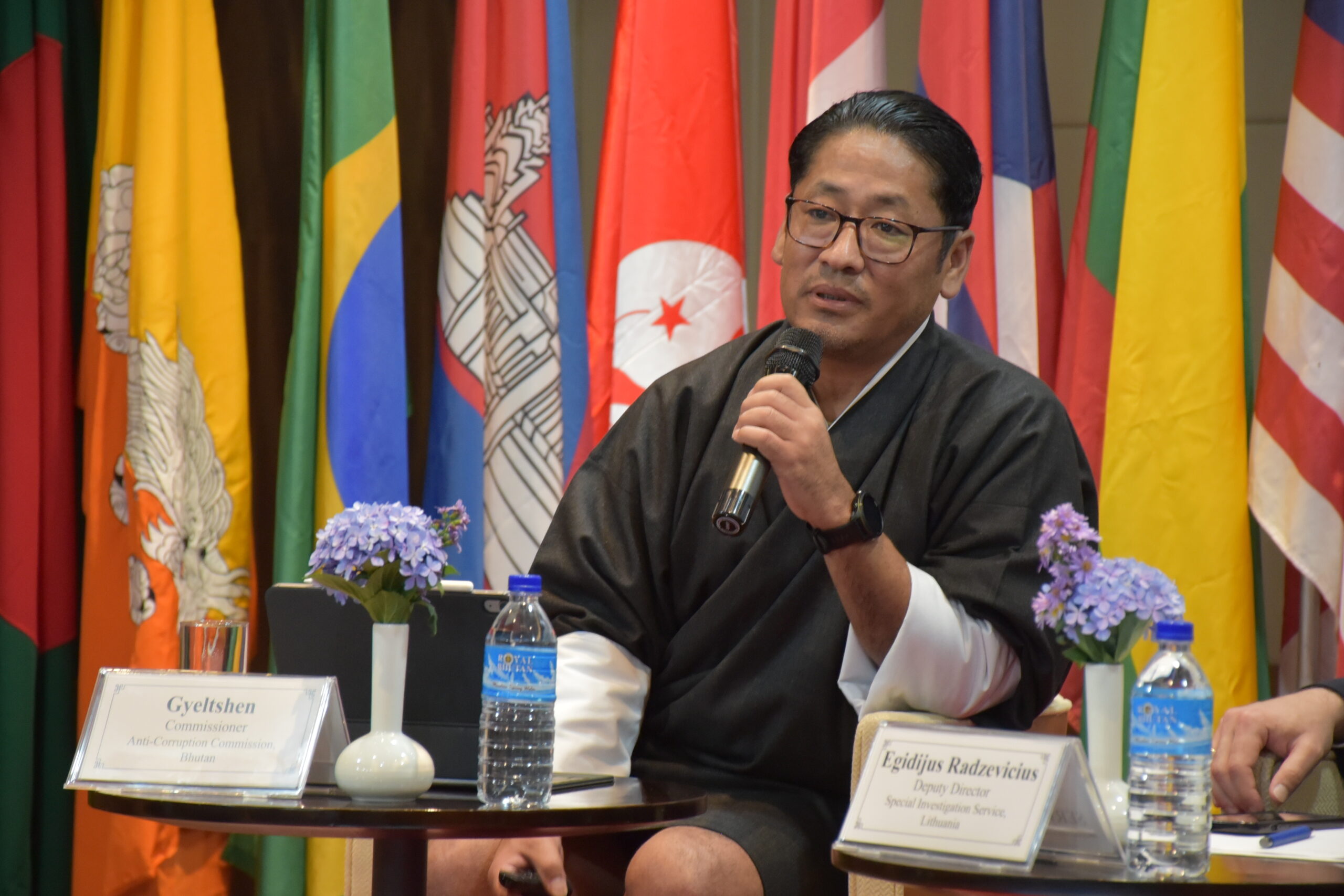
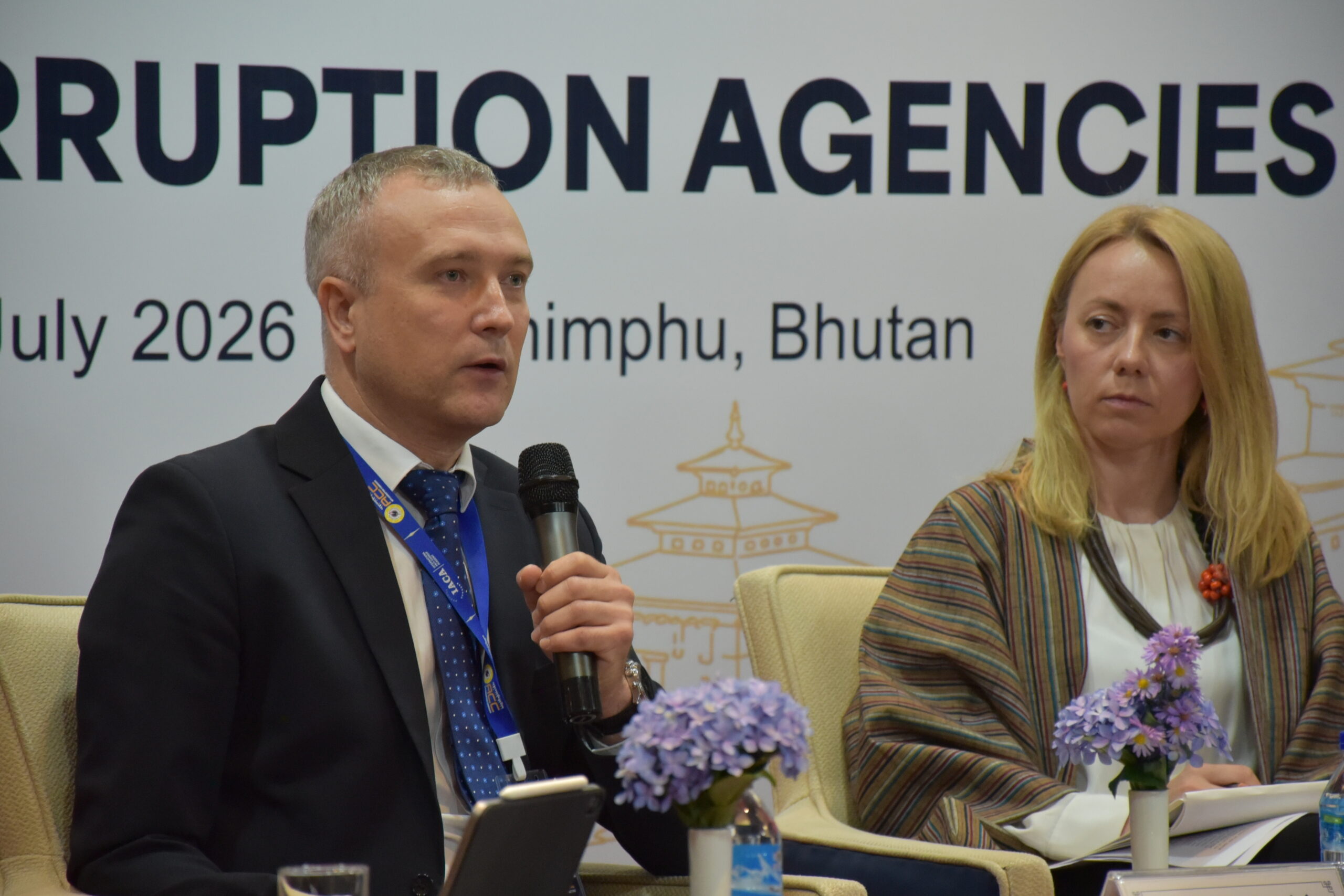
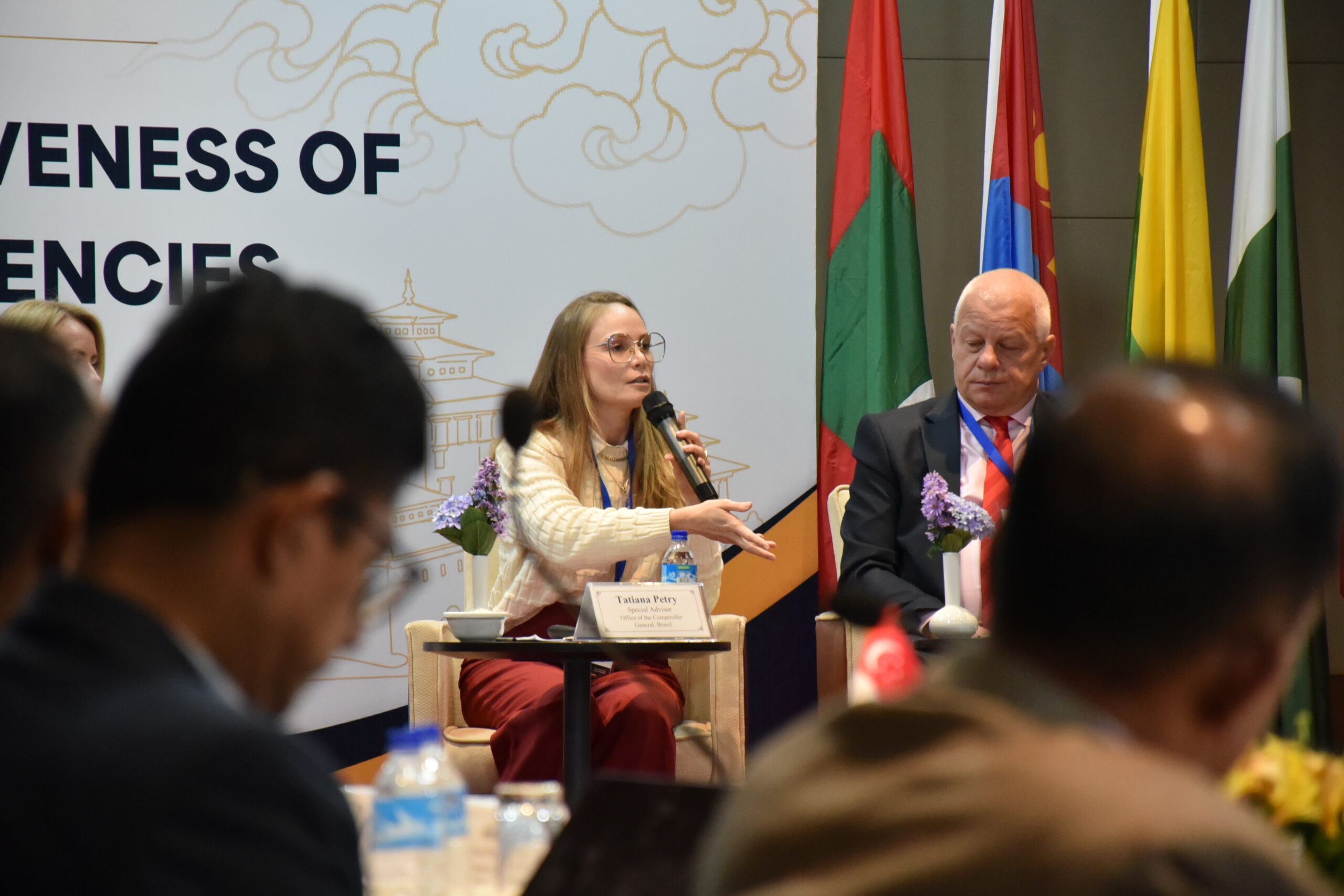
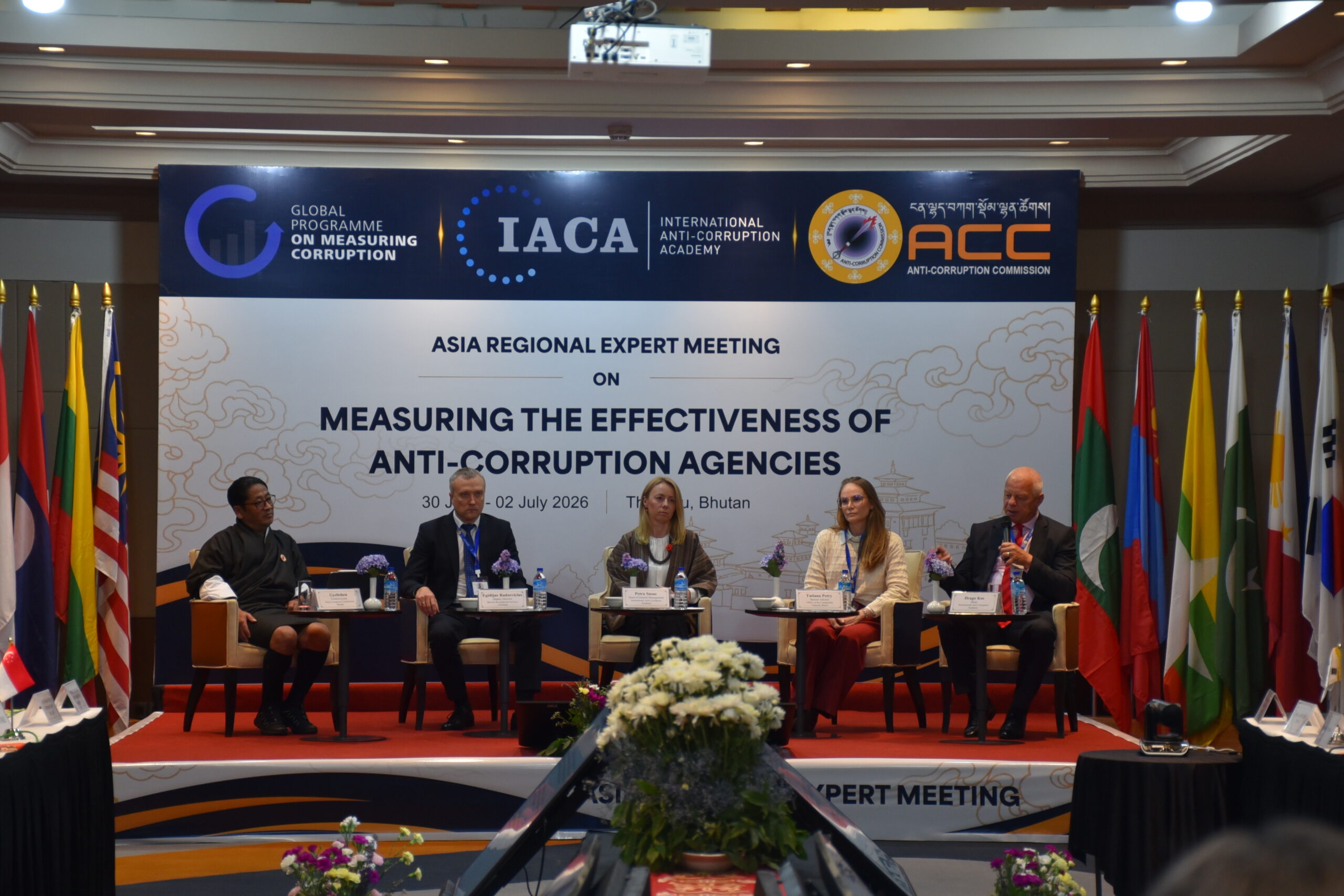
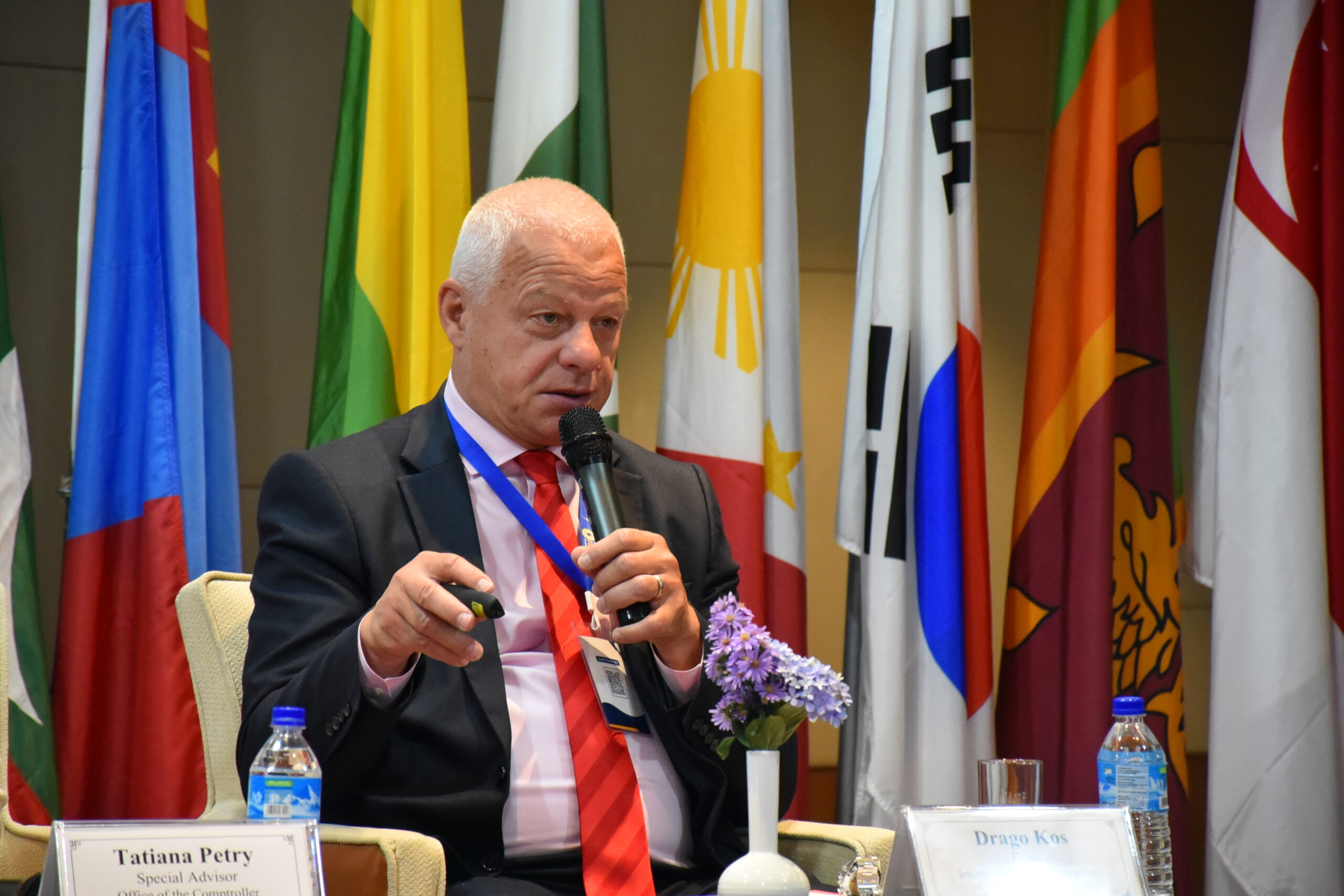
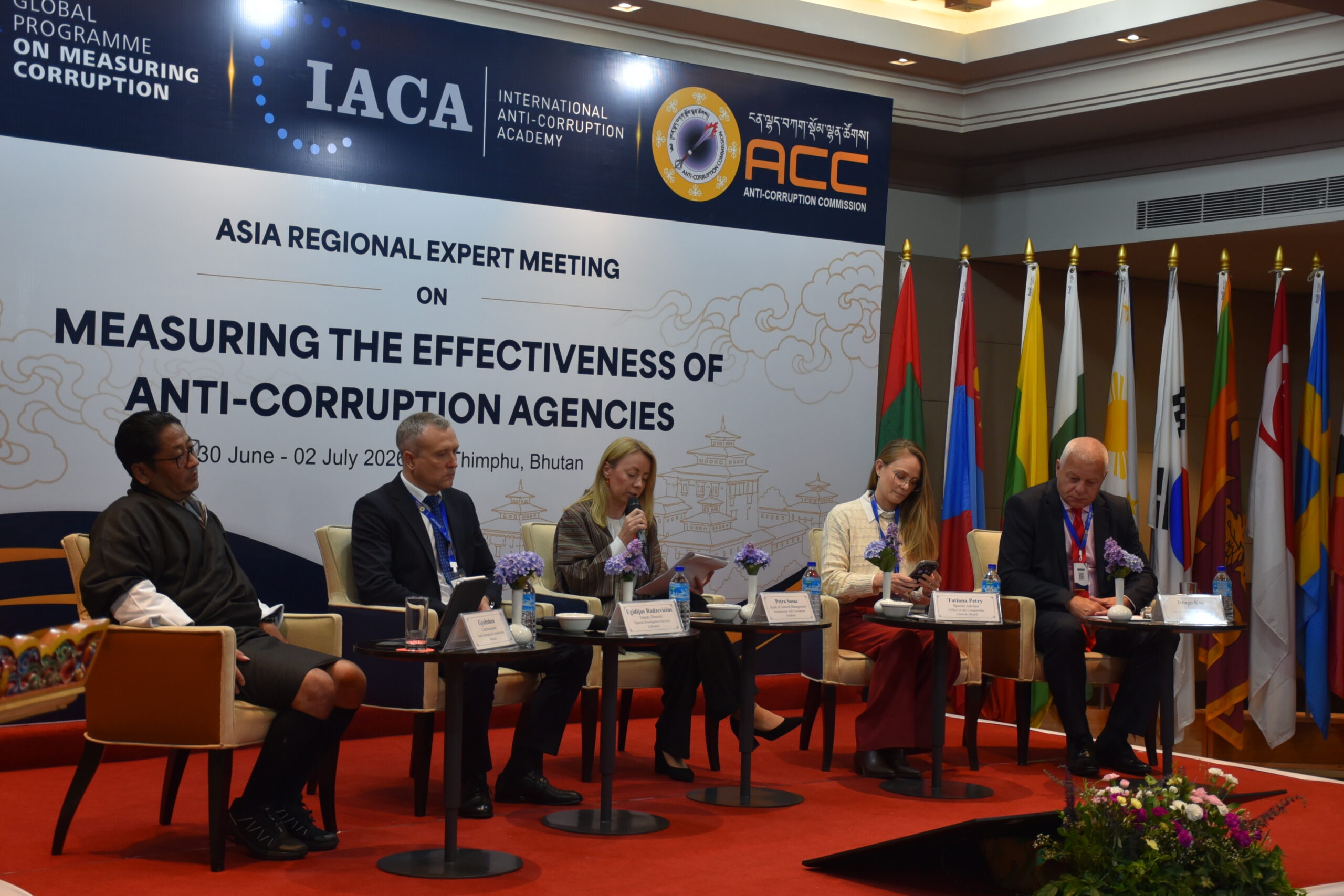
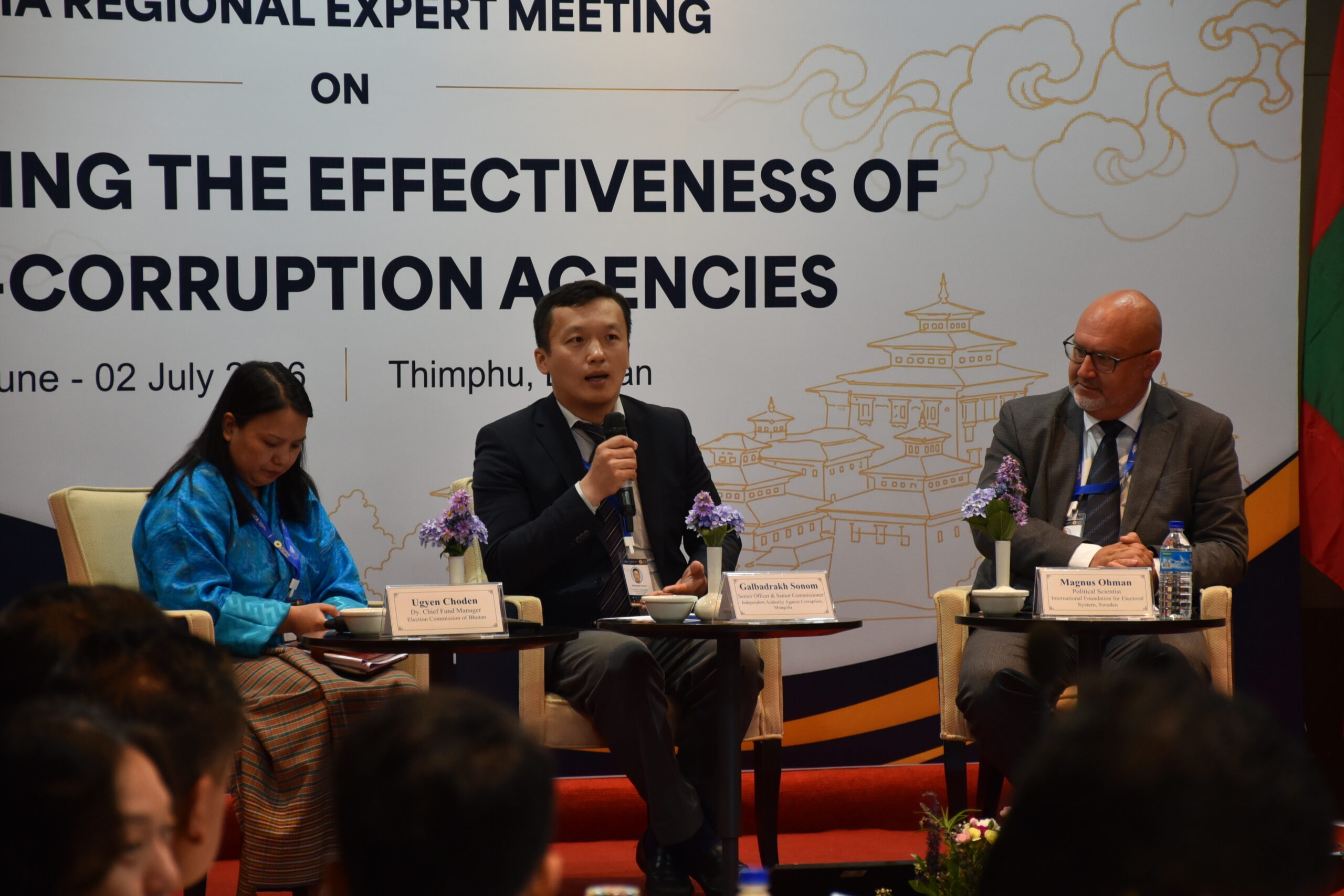
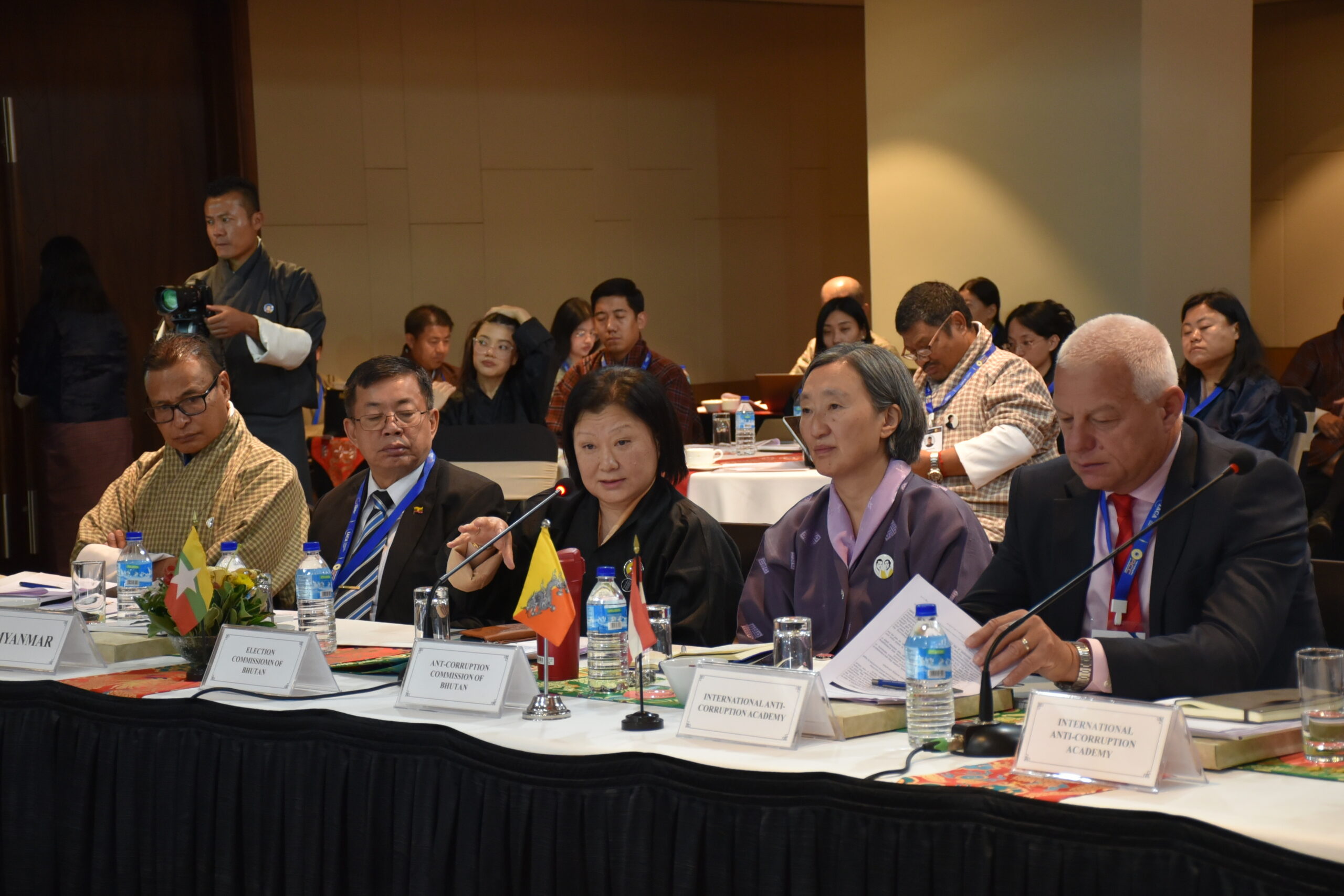
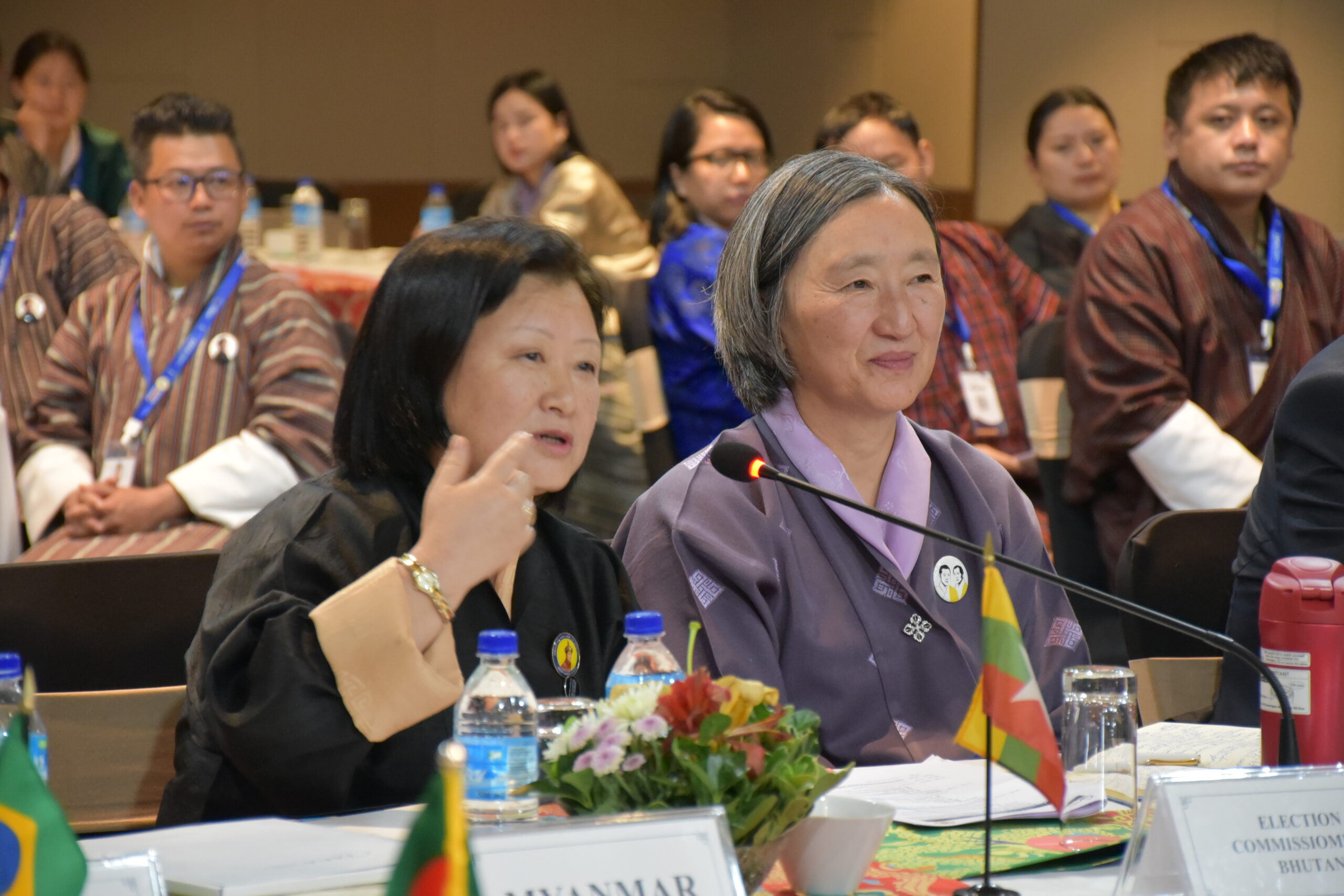
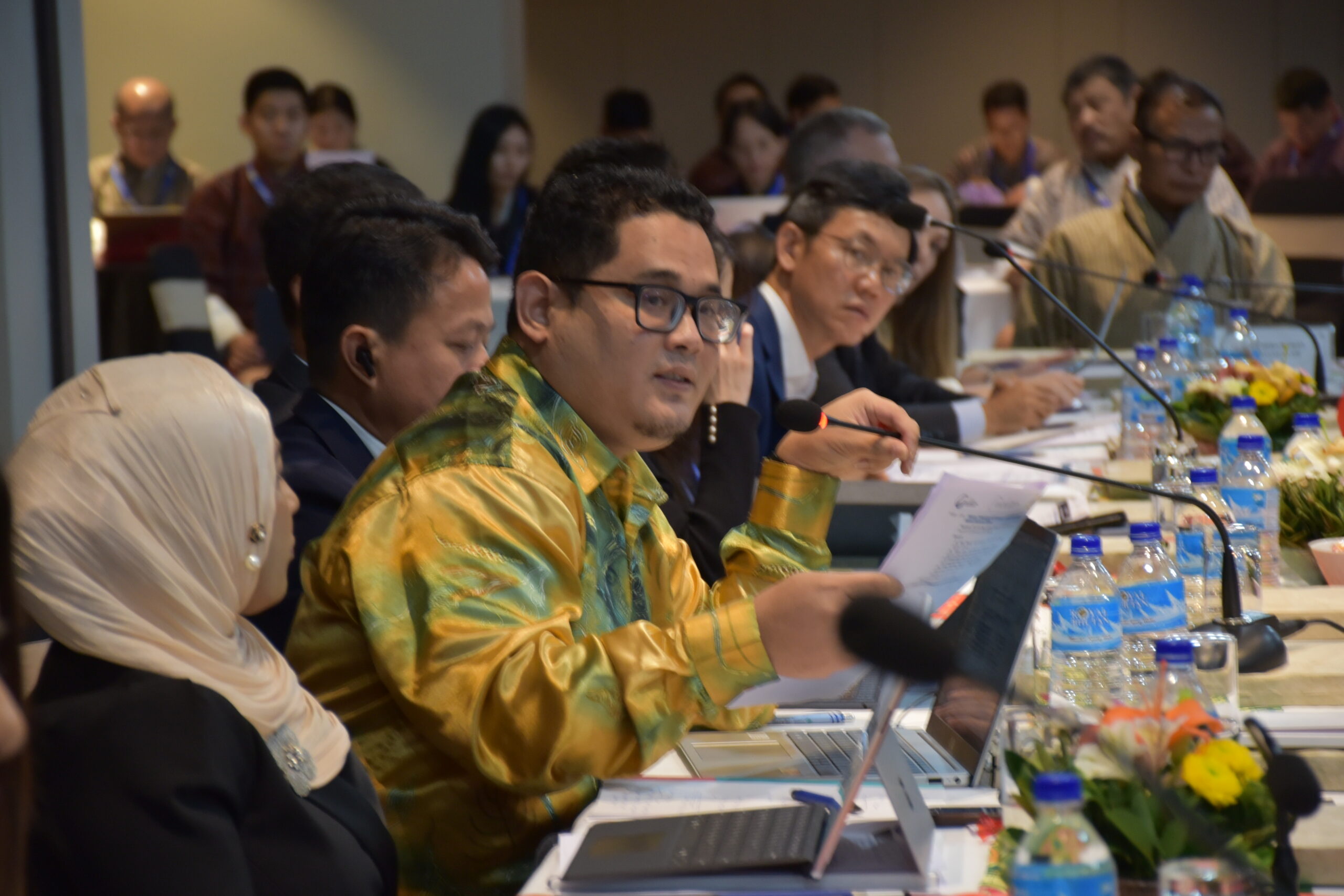
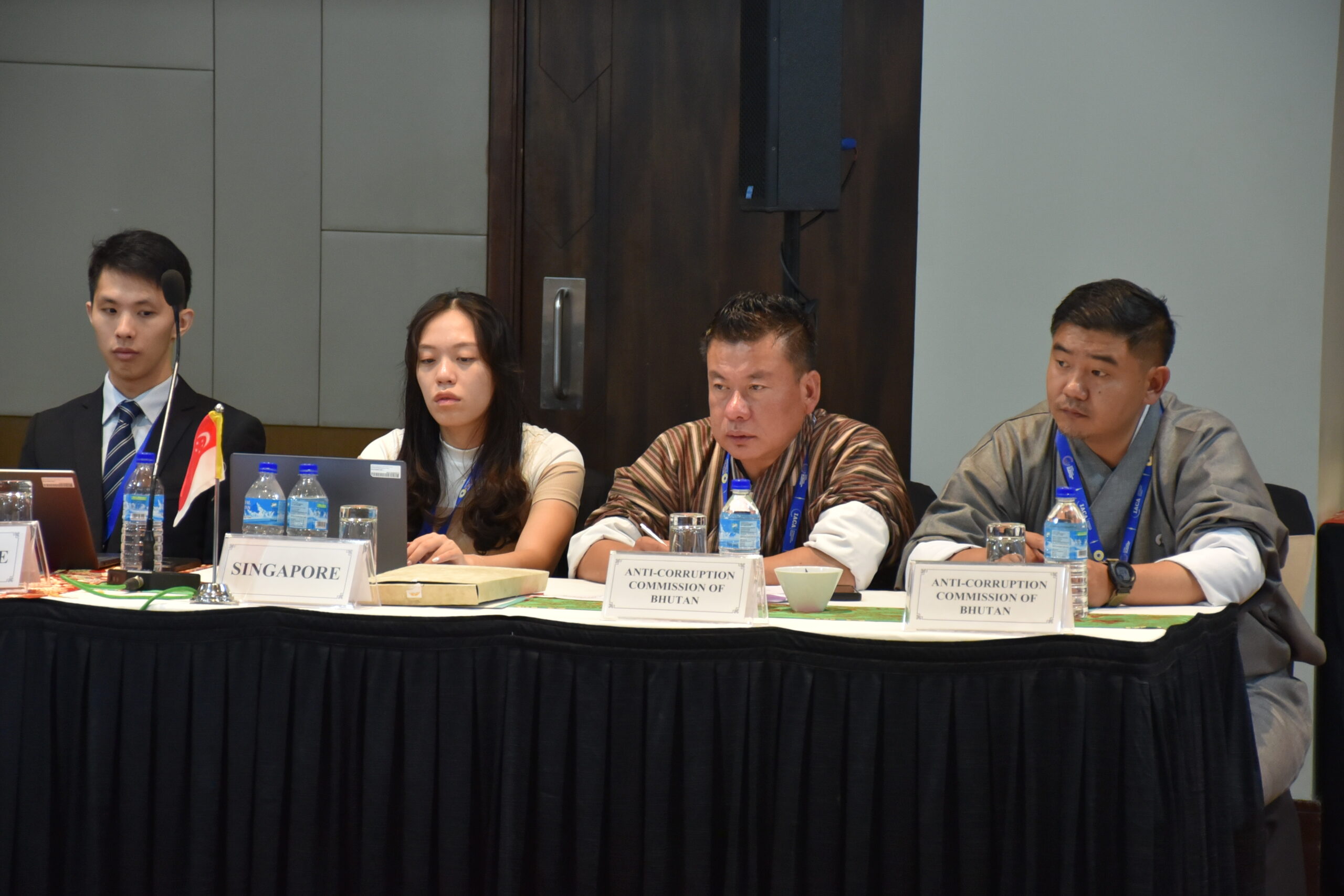
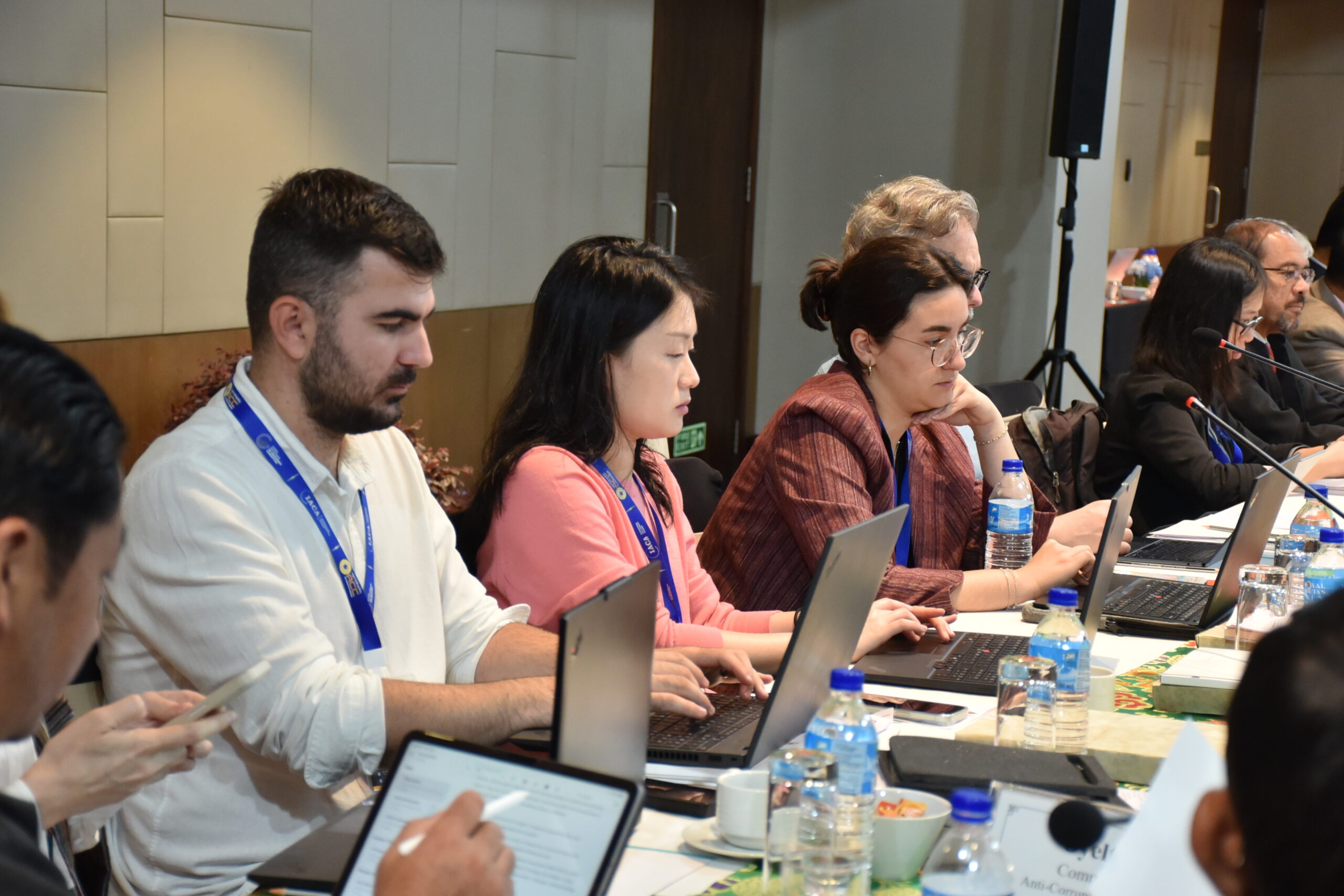
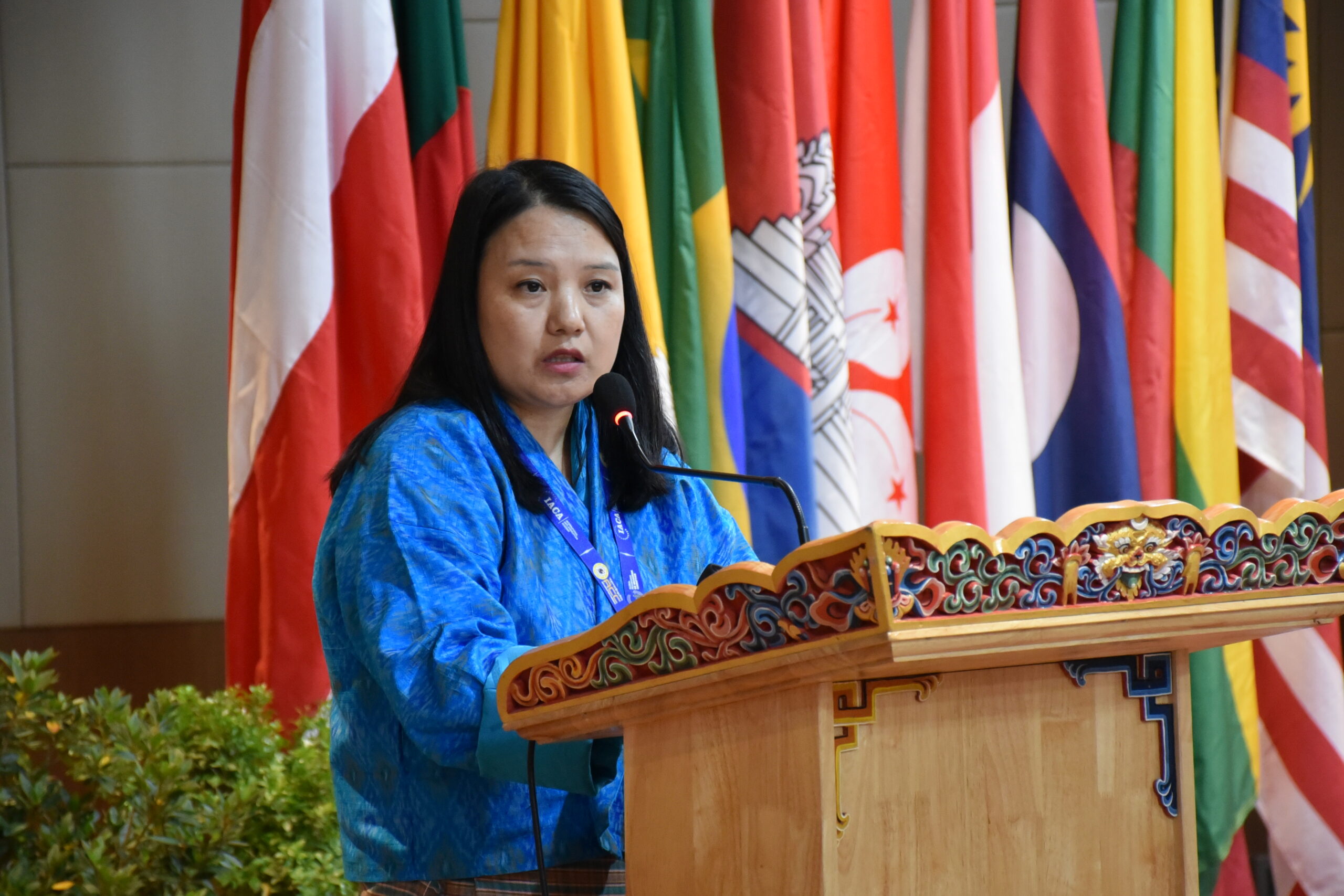
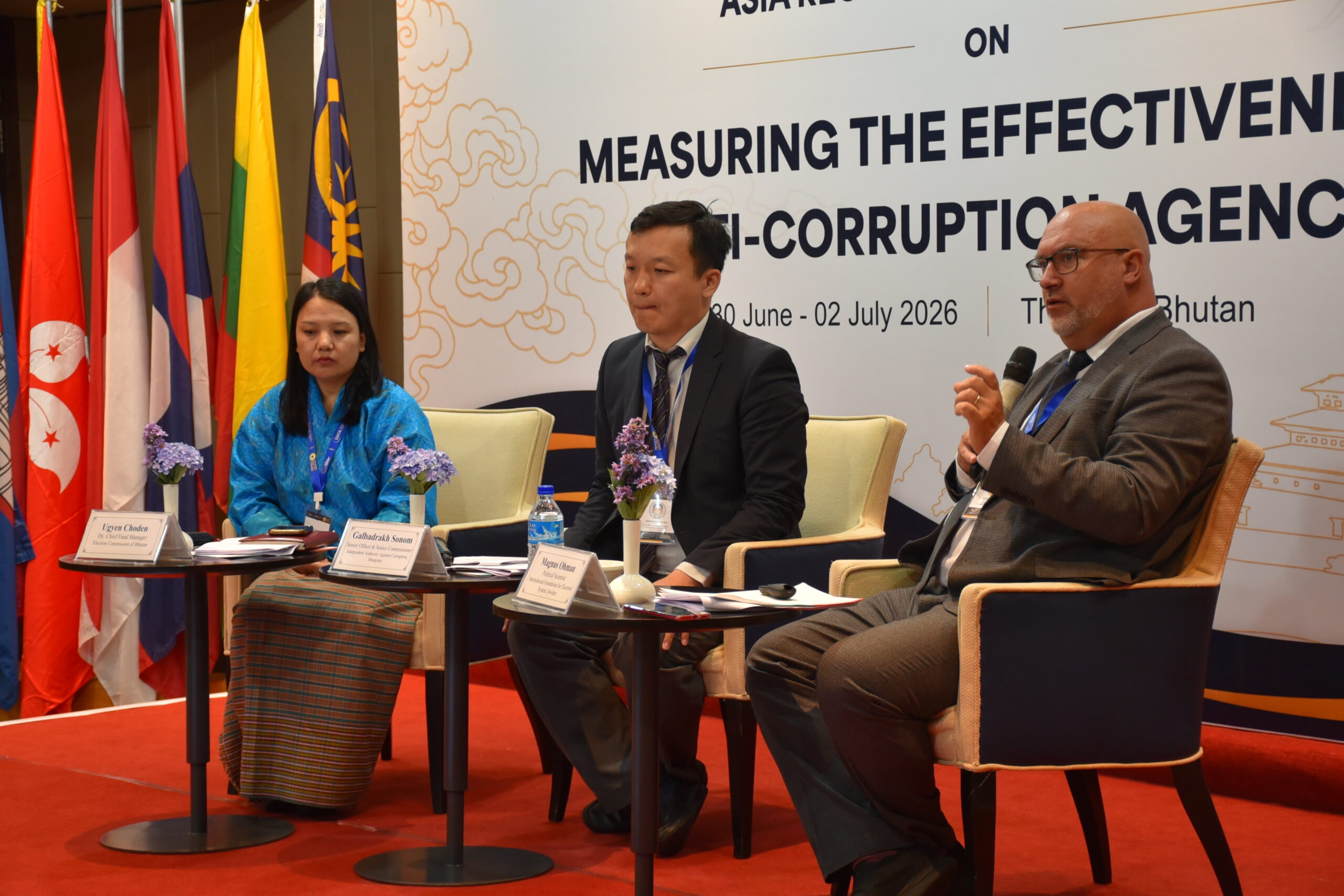
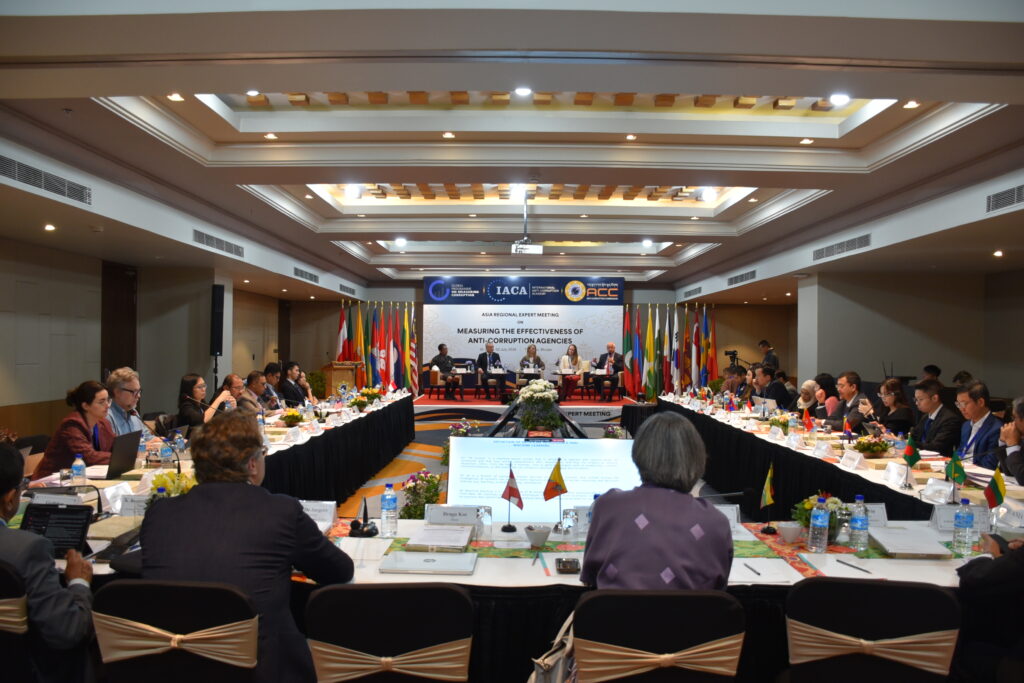
The takeaways from the Asia Regional Expert Meeting on Measuring the Effectiveness of Anti-Corruption Agencies from 30 June – 02 July 2026 in Thimphu, Bhutan
The takeaways from the Asia Regional Expert Meeting on Measuring the Effectiveness of Anti-Corruption Agencies from 30 June – 02 July 2026 in Thimphu, Bhutan
Measuring ACA effectiveness should extend beyond operational outputs to include institutional capacity, organisational resilience, prevention outcomes, and societal impact.
Institutional self-assessment should be viewed as a continuous learning process that supports evidence-based decision-making and organisational improvement.
Prevention and integrity education require stronger outcome-oriented indicators capable of measuring behavioural and institutional change rather than activities alone.
Reliable measurement of anti-corruption effectiveness depends on stronger collaboration between ACAs and National Statistical Offices to improve the availability and quality of corruption-related data.
Digital technologies and AI present significant opportunities to strengthen investigations, risk detection, and performance measurement, while requiring appropriate governance, safeguards, and institutional capacity.
International cooperation and peer learning remain essential for addressing increasingly complex and transnational forms of corruption.
Measuring effectiveness should ultimately strengthen institutional credibility, improve public trust, and support continuous improvement rather than serve as a comparative ranking exercise.